Buy 3d-vermessung.eu ?
We are moving the project
3d-vermessung.eu .
Are you interested in purchasing the domain
3d-vermessung.eu ?
domain@kv-gmbh.de · 0541-91531010
Buy 3d-vermessung.eu ?
Which axis, the y-axis or the z-axis?
The y-axis is the vertical axis on a standard Cartesian coordinate system, while the z-axis is the vertical axis in a three-dimensional Cartesian coordinate system. The y-axis is typically used to represent the vertical position or value in a two-dimensional graph, while the z-axis is used to represent the vertical position or value in a three-dimensional graph. Therefore, the choice between the y-axis and the z-axis depends on whether you are working in a two-dimensional or three-dimensional space. **
Is the X-axis of the 3D printer crooked?
No, the X-axis of the 3D printer is not crooked. The X-axis is responsible for moving the print head horizontally along the length of the printer, and if it were crooked, it would result in misaligned prints. It is important for the X-axis to be straight and level to ensure accurate and precise printing. **


Similar search terms for Axis-A9801-Security-Relay
Top-Angebote
Products related to Axis-A9801-Security-Relay:

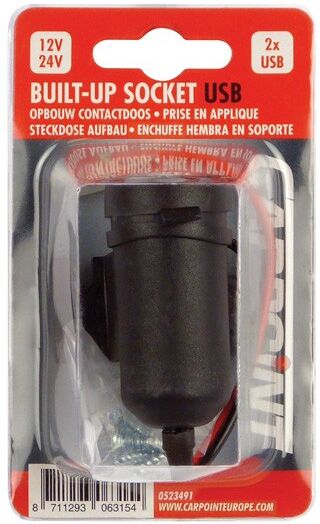
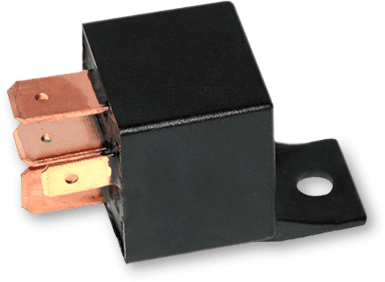

-
What is the question about the holding relay remanence relay?
The question about the holding relay remanence relay likely pertains to how the remanence relay functions in relation to the holding relay. The inquirer may want to know how the remanence relay affects the holding relay's operation, or how the two relays work together in a specific electrical or control system. Additionally, the question may seek to understand the purpose of the remanence relay in relation to the holding relay and how it contributes to the overall functionality of the system. **
-
What are the x-axis and y-axis?
The x-axis is the horizontal line on a graph that represents the independent variable, or the variable that is being manipulated or controlled. The y-axis is the vertical line on a graph that represents the dependent variable, or the variable that is being measured or observed in response to changes in the independent variable. Together, the x-axis and y-axis create a coordinate system that allows for the visualization and analysis of relationships between variables. **
-
Why does the Y-axis of the 3D printer jump?
The Y-axis of a 3D printer may jump or skip steps if there is excessive friction or resistance in the movement of the Y-axis. This can be caused by a variety of factors such as misaligned or loose belts, dirty or obstructed rails, or a lack of lubrication. When the Y-axis motor tries to move the axis but encounters resistance, it may skip steps, resulting in a jerky or uneven movement. Regular maintenance and proper calibration of the 3D printer can help prevent these issues and ensure smooth and accurate movement of the Y-axis. **
-
Is the Y-axis of the 3D printer too slow?
The speed of the Y-axis on a 3D printer can vary depending on the specific model and settings. If the Y-axis is moving too slowly, it can result in longer print times and potentially affect the overall efficiency of the printing process. However, it's important to find a balance between speed and accuracy, as increasing the speed too much can lead to decreased print quality. It's recommended to adjust the Y-axis speed based on the specific requirements of the print job and the capabilities of the printer. **


What is the difference between a safety relay and a relay?
A safety relay is a type of relay that is specifically designed to provide a higher level of safety in industrial applications. It is used to monitor and control safety functions, such as emergency stops and safety gates, to ensure the safety of personnel and equipment. Safety relays are designed to meet specific safety standards and have built-in features such as redundancy, self-monitoring, and fault detection. On the other hand, a relay is a general-purpose electromechanical switch that is used to control the flow of electricity in a circuit. It is commonly used to control high-power devices such as motors, heaters, and solenoids. Relays do not have the same level of safety features as safety relays and are not designed to meet specific safety standards. **
What are the x-axis and the y-axis?
The x-axis is the horizontal line on a graph, representing the independent variable. It is typically used to display categories or numerical values. The y-axis is the vertical line on a graph, representing the dependent variable. It is used to display the corresponding values of the dependent variable based on the values of the independent variable. Together, the x-axis and y-axis create a coordinate system that allows for the visualization and analysis of relationships between variables. **
Top-Angebote
Products related to Axis-A9801-Security-Relay:
-
Axis A9801 Security Relay for Network Video Door StationsThe Axis A9801 Security Relay adds a secure lock-control relay for doors managed by Axis network video door stations such as the A8004-VE and A8105-VE, so the door strike is not wired directly to the outdoor unit. It supports 12 V and 24 V door strikes, has tamper control and fits in a standard installation box. Plastic housing.179,49 £*Shipping: 0,00 £Secure redirect to the provider
-
All Categories Goods Premium CAT Timer Relay Direct Replacement Relay For Excavator Premium CAT Timer Relay Direct Replacement Relay For ExcavatorGet your machine back to peak performance with this 1 pc of precisionengineered CAT excavator timer relay designed for durability and reliable control timing. Whether youre a professional mechanic or heavy equipment owner, this relay delivers...134,97 $*Shipping: 0,00 $Secure redirect to the provider
-
Which axis, the y-axis or the z-axis?
The y-axis is the vertical axis on a standard Cartesian coordinate system, while the z-axis is the vertical axis in a three-dimensional Cartesian coordinate system. The y-axis is typically used to represent the vertical position or value in a two-dimensional graph, while the z-axis is used to represent the vertical position or value in a three-dimensional graph. Therefore, the choice between the y-axis and the z-axis depends on whether you are working in a two-dimensional or three-dimensional space. **
-
Is the X-axis of the 3D printer crooked?
No, the X-axis of the 3D printer is not crooked. The X-axis is responsible for moving the print head horizontally along the length of the printer, and if it were crooked, it would result in misaligned prints. It is important for the X-axis to be straight and level to ensure accurate and precise printing. **
-
What is the question about the holding relay remanence relay?
The question about the holding relay remanence relay likely pertains to how the remanence relay functions in relation to the holding relay. The inquirer may want to know how the remanence relay affects the holding relay's operation, or how the two relays work together in a specific electrical or control system. Additionally, the question may seek to understand the purpose of the remanence relay in relation to the holding relay and how it contributes to the overall functionality of the system. **
-
What are the x-axis and y-axis?
The x-axis is the horizontal line on a graph that represents the independent variable, or the variable that is being manipulated or controlled. The y-axis is the vertical line on a graph that represents the dependent variable, or the variable that is being measured or observed in response to changes in the independent variable. Together, the x-axis and y-axis create a coordinate system that allows for the visualization and analysis of relationships between variables. **
Similar search terms for Axis-A9801-Security-Relay
-
Why does the Y-axis of the 3D printer jump?
The Y-axis of a 3D printer may jump or skip steps if there is excessive friction or resistance in the movement of the Y-axis. This can be caused by a variety of factors such as misaligned or loose belts, dirty or obstructed rails, or a lack of lubrication. When the Y-axis motor tries to move the axis but encounters resistance, it may skip steps, resulting in a jerky or uneven movement. Regular maintenance and proper calibration of the 3D printer can help prevent these issues and ensure smooth and accurate movement of the Y-axis. **
-
Is the Y-axis of the 3D printer too slow?
The speed of the Y-axis on a 3D printer can vary depending on the specific model and settings. If the Y-axis is moving too slowly, it can result in longer print times and potentially affect the overall efficiency of the printing process. However, it's important to find a balance between speed and accuracy, as increasing the speed too much can lead to decreased print quality. It's recommended to adjust the Y-axis speed based on the specific requirements of the print job and the capabilities of the printer. **
-
What is the difference between a safety relay and a relay?
A safety relay is a type of relay that is specifically designed to provide a higher level of safety in industrial applications. It is used to monitor and control safety functions, such as emergency stops and safety gates, to ensure the safety of personnel and equipment. Safety relays are designed to meet specific safety standards and have built-in features such as redundancy, self-monitoring, and fault detection. On the other hand, a relay is a general-purpose electromechanical switch that is used to control the flow of electricity in a circuit. It is commonly used to control high-power devices such as motors, heaters, and solenoids. Relays do not have the same level of safety features as safety relays and are not designed to meet specific safety standards. **
-
What are the x-axis and the y-axis?
The x-axis is the horizontal line on a graph, representing the independent variable. It is typically used to display categories or numerical values. The y-axis is the vertical line on a graph, representing the dependent variable. It is used to display the corresponding values of the dependent variable based on the values of the independent variable. Together, the x-axis and y-axis create a coordinate system that allows for the visualization and analysis of relationships between variables. **
* All prices are inclusive of VAT and, if applicable, plus shipping costs. The offer information is based on the details provided by the respective shop and is updated through automated processes. Real-time updates do not occur, so deviations can occur in individual cases. ** Note: Parts of this content were created by AI.